Blood groups are based on the presence of specific substances (carbohydrates or proteins) called antigens on the surface of red blood cells (red blood cells). Two major antigens are antigen A and antigen B. Another important antigen on the surface of red blood cells is called the Rh factor. There are 45 such proteins that are part of the Rh blood group system, the most common of which is protein D (antigen D). If erythrocytes have this protein, you are Rh positive - Rh(D)+. If red blood cells do not have this protein, you are Rh negative - Rh(D) -.85% of the population is Rh positive, with the rest being Rh negative.
There are 4 blood groups in the ABO system:
Group OI - it has no antigen and has both antibodies (anti-A and anti-B)
Group AII - it has antigen A and anti-B antibodies
Group BIII - it has B antigen and anti-A antibodies
Group ABIV - it has both A and B antigens and has no antibodies
DISCOVER MORE
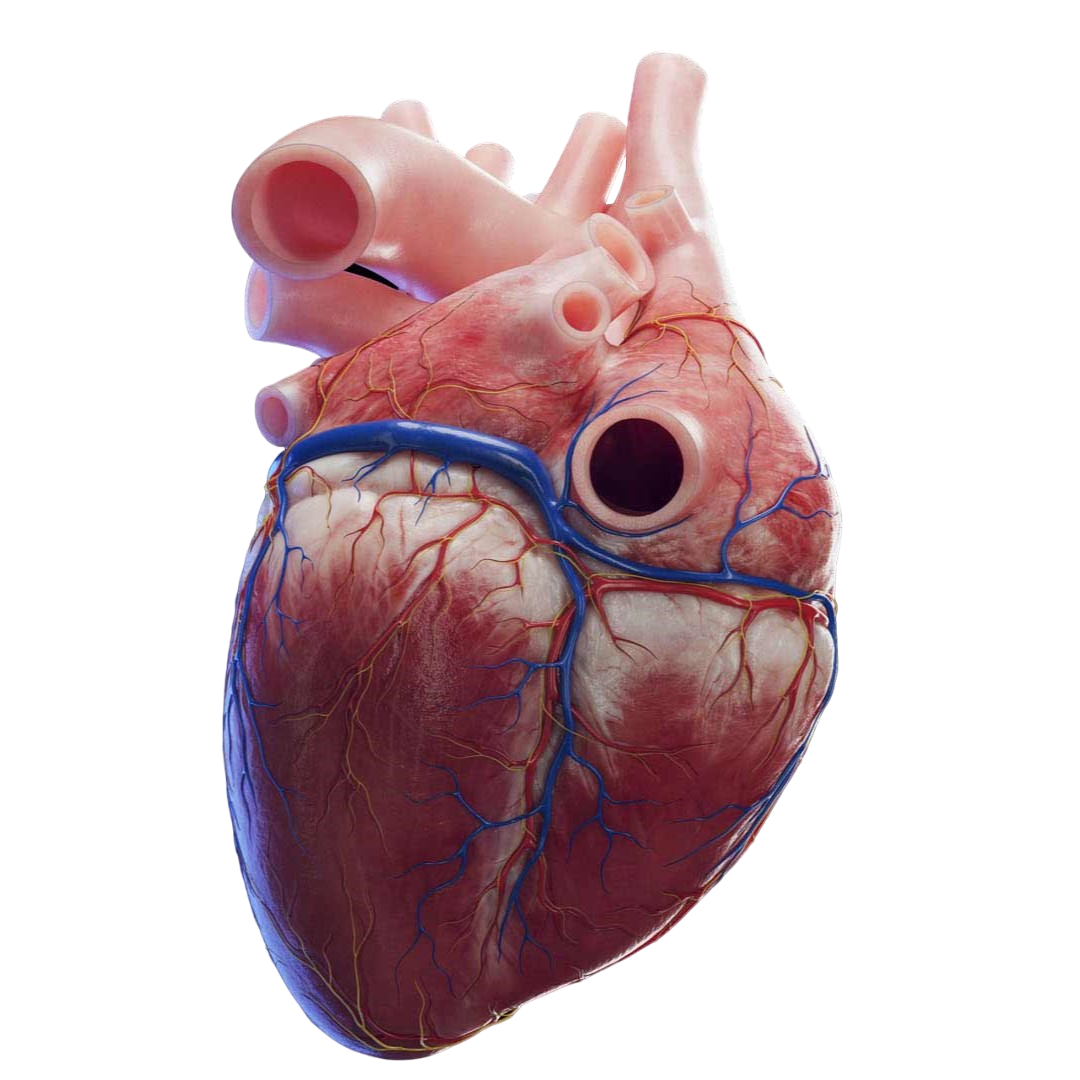
The fundamental role of the heart is to pump blood. Each part of the heart is equipped with two sets of valves that. Normally, they require the movement of blood in one sense.
1. Atrio-ventricular valves (mitral and tricuspid), which separate the atria from the ventricles, open during diastole, allowing blood to pass into the ventricles. These valves close during systole, prohibiting the passage of blood back into the atria.
2. Semilunar valves (aortic and pulmonary) open during systole, allowing blood to be expelled into the arteries, and close in the diastole, preventing blood from returning to the ventricles.
WATCH
LARGE AND SMALL CIRCULATION
Small circulation: Pulmonary circulation begins in the right ventricle through the trunk of the pulmonary artery that carries blood with C02 to the lungs.
Large circulation: Systemic circulation begins in the left ventricle, through the aortic artery that carries blood with Oz and nutrients to tissues and organs. From their level, the C02-laden blood is taken up by the two cava veins that carry it to the right atrium.
IMMUNITY
Immunity is the body's ability to defend itself against pathogens - viruses, bacteria, parasites and toxins. The immune system is a complex system of cells and molecules (antibodies) whose role is to provide protection against aggressors. The immune system detects pathogens, destroys them and, very importantly, memorizes the antigen so that it can react promptly and the next time it meets it.
HEART RATE
For adults, the resting heart rate is between 60-100 beats per minute.
CARDIAC OUTPUT
Cardiac flow is the amount of blood ejected by the two ventricles into the systemic or pulmonary circulation in one minute. In healthy people, the cardiac output falls between 5-6 l, at rest and 25-35 l at exertion.
BLOOD PRESSURE
Optimal blood pressure is equal to or less than 120/80 millimeters of mercury (mm Hg).
THE PULSE
The pulse is the heart rate or number of heartbeats performed over one minute.

.png)